RESEARCH
FOR
IMPACT.
An interdisciplinary research hub committed to using research for public policy debate, supporting professional practice and academic circles.
Our Mission
PCRP bridges the gap between academic research and public policy. We produce rigorous, accessible research that informs decision-making and advances justice in Pakistan and beyond.
RESEARCH AREAS
8 DisciplinesCriminal Law
Justice system reforms and criminal procedure analysis
Constitutional Law
Fundamental rights and constitutional interpretation
Human Rights
Advocacy for equality and human dignity
International
Global legal frameworks and treaties
Cyber & Tech Law
Digital rights and emerging tech regulations
Women & Child
Safeguarding vulnerable populations
Current Affairs
Analysis of contemporary legal developments
Legal Awareness
Public education and legal literacy
PCRP Journals
Browse complete journal issues from across all eight research areas.
LATEST PUBLICATIONS
View AllPCRP - Journal
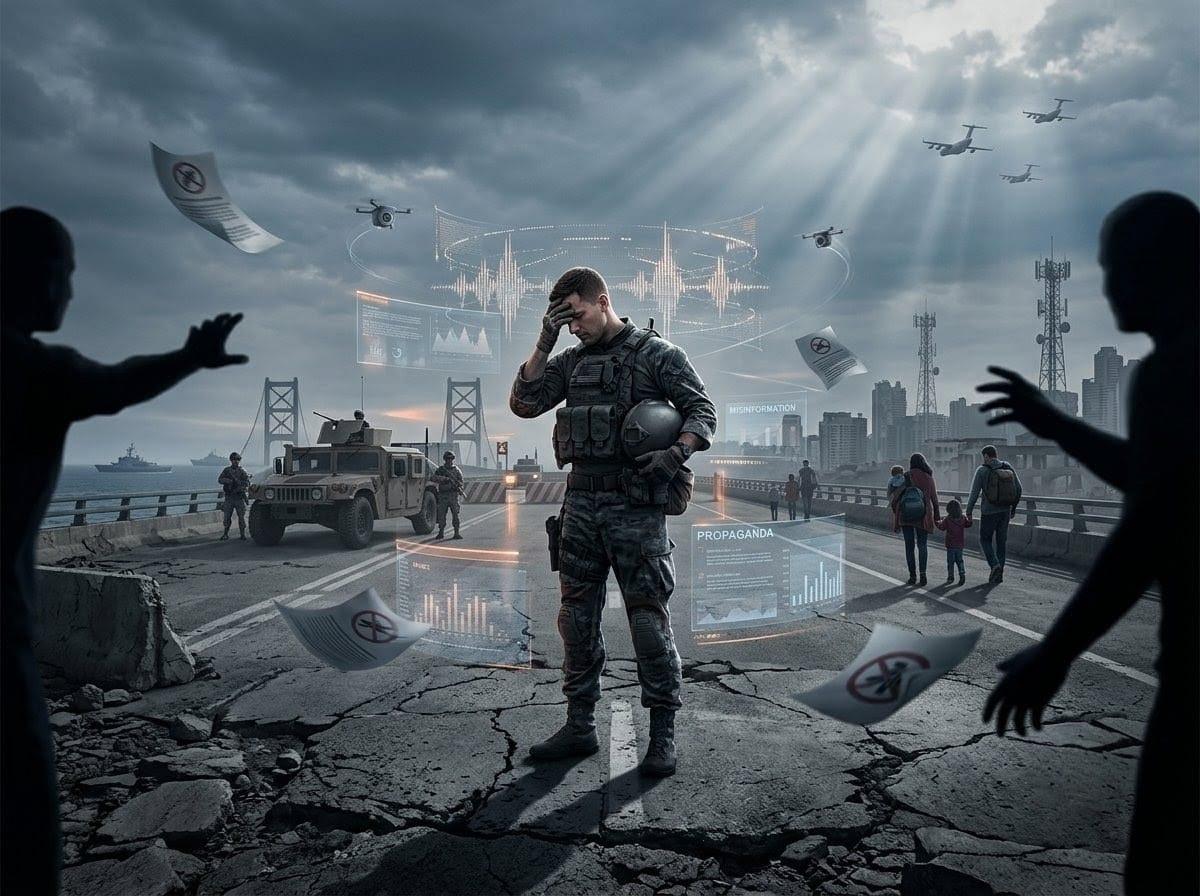
A Critical Analysis of Psychological warfare inside an Armed Conflict
A Critical Analysis of Psychological Warfare inside an Armed Conflict examines the role of psychological warfare as a method of modern warfare under International Humanitarian Law (IHL). The paper explores how tractics such as propaganda, disinformation, cyber operations, and AI-generated deepfakes are used to influence perceptions, weaken enemy morale, and shape public opinion during aremed conflicts. Through historical examples, international case law, and expert opinions, it analyzes the legal and ethical limits of psychological operations argues that while such tractics may be lawful military strategies, they become unlawful when they violate IHL principles, target civilians, or cause significant human suffering. The study highlights the growing challenges posed by digital technologies and emphasizes the need to balance military objectives with humanitarian protections.
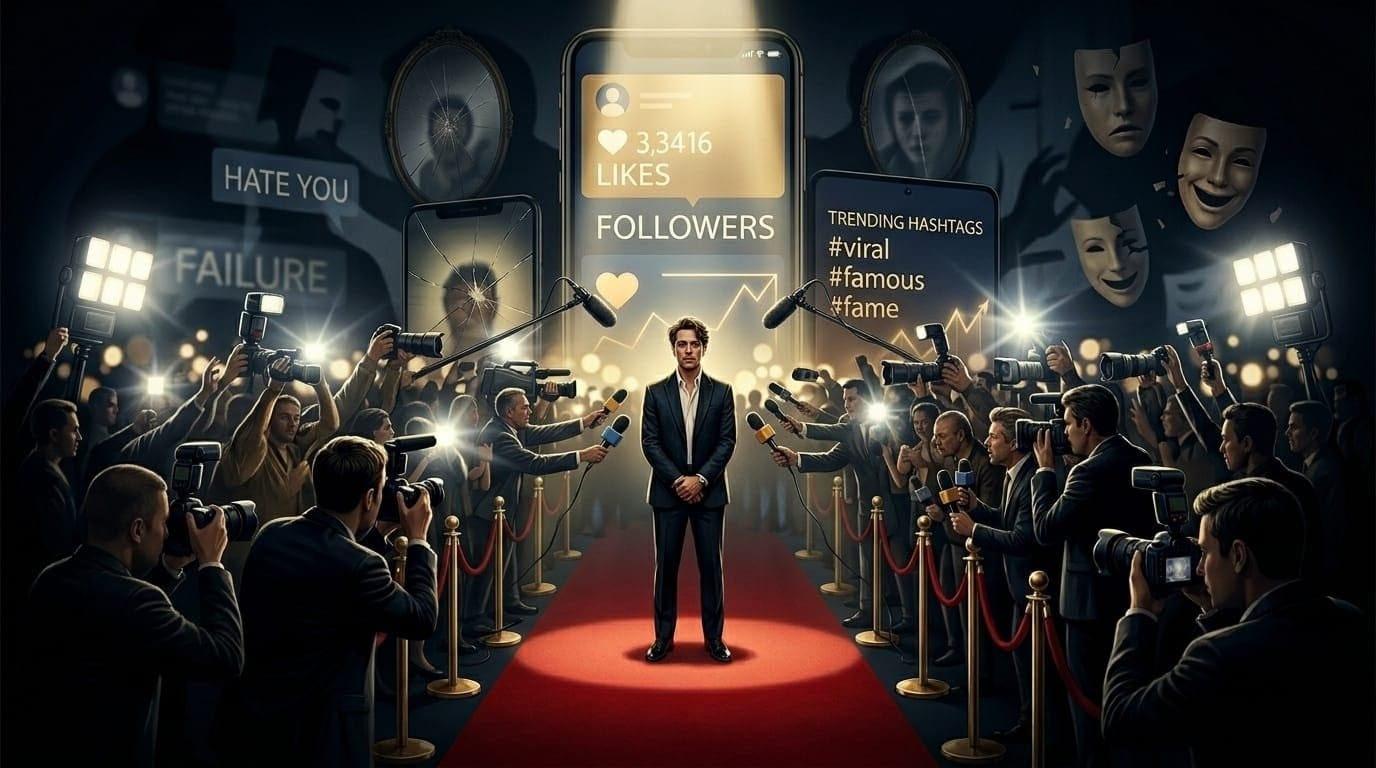
The Dark Side of Fame: Mental Health Challenges among Celebrities and Social Media Influencers
The Dark Side of Fame explores how social media security, cyberbulling,and public pressure negatively affect celebrities mental health. It highlights the emotional challenges of fame and emphasizes the need for stronger mental health support and safer online environments.
CONTRIBUTE TO RESEARCH
PCRP welcomes submissions from academics, practitioners, and students. Share your research with us and contribute to meaningful policy discourse.